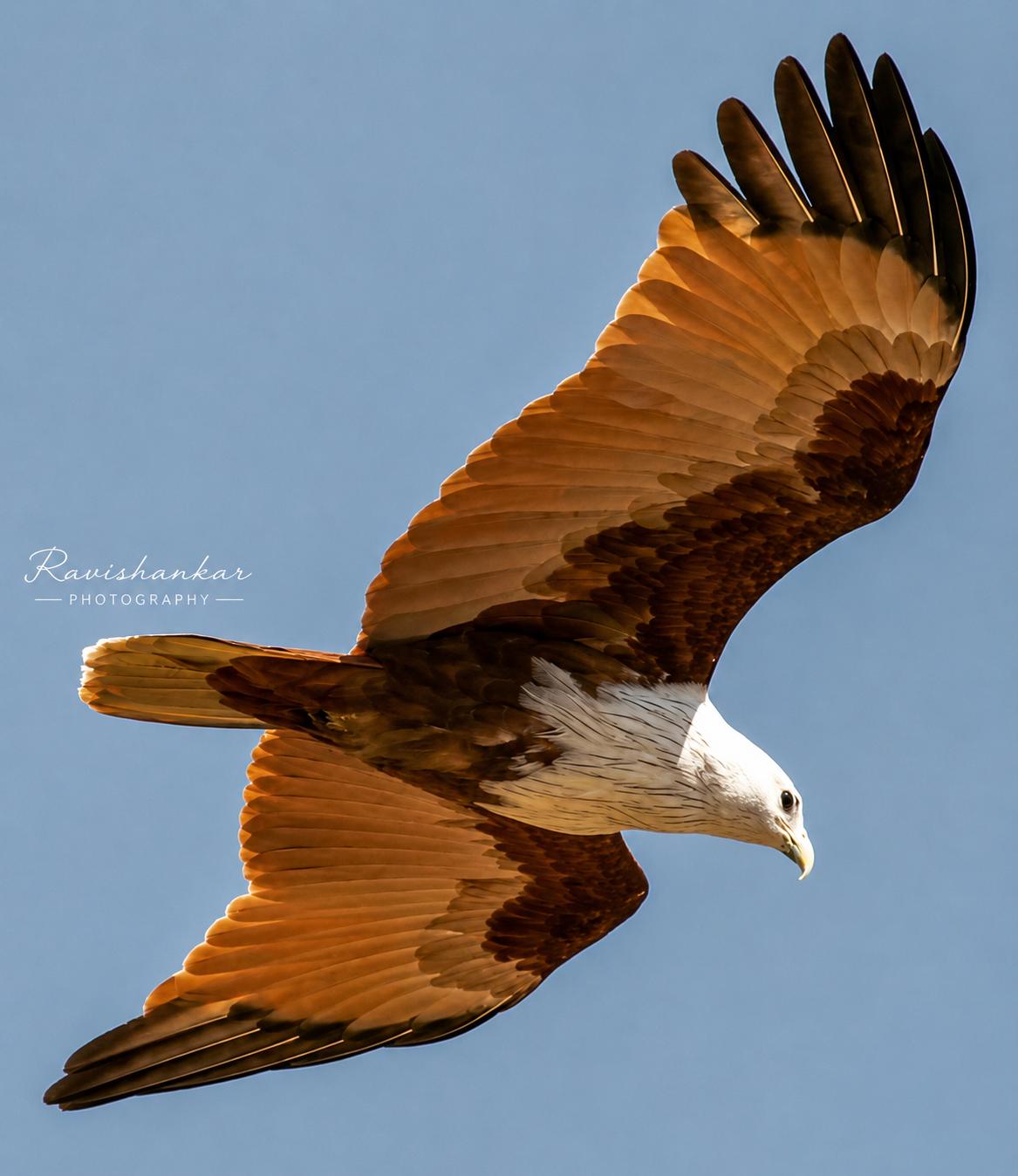

Birds of prey, commonly known as raptors, are among the most fascinating birds in the wild. The word raptor comes from the Latin rapere, meaning "to seize or grab." These birds are equipped with razor-sharp talons, hooked beaks, and exceptional eyesight, making them expert hunters. While many people confuse eagles, kites, hawks, and falcons, learning a few simple field marks can help you identify them with confidence.
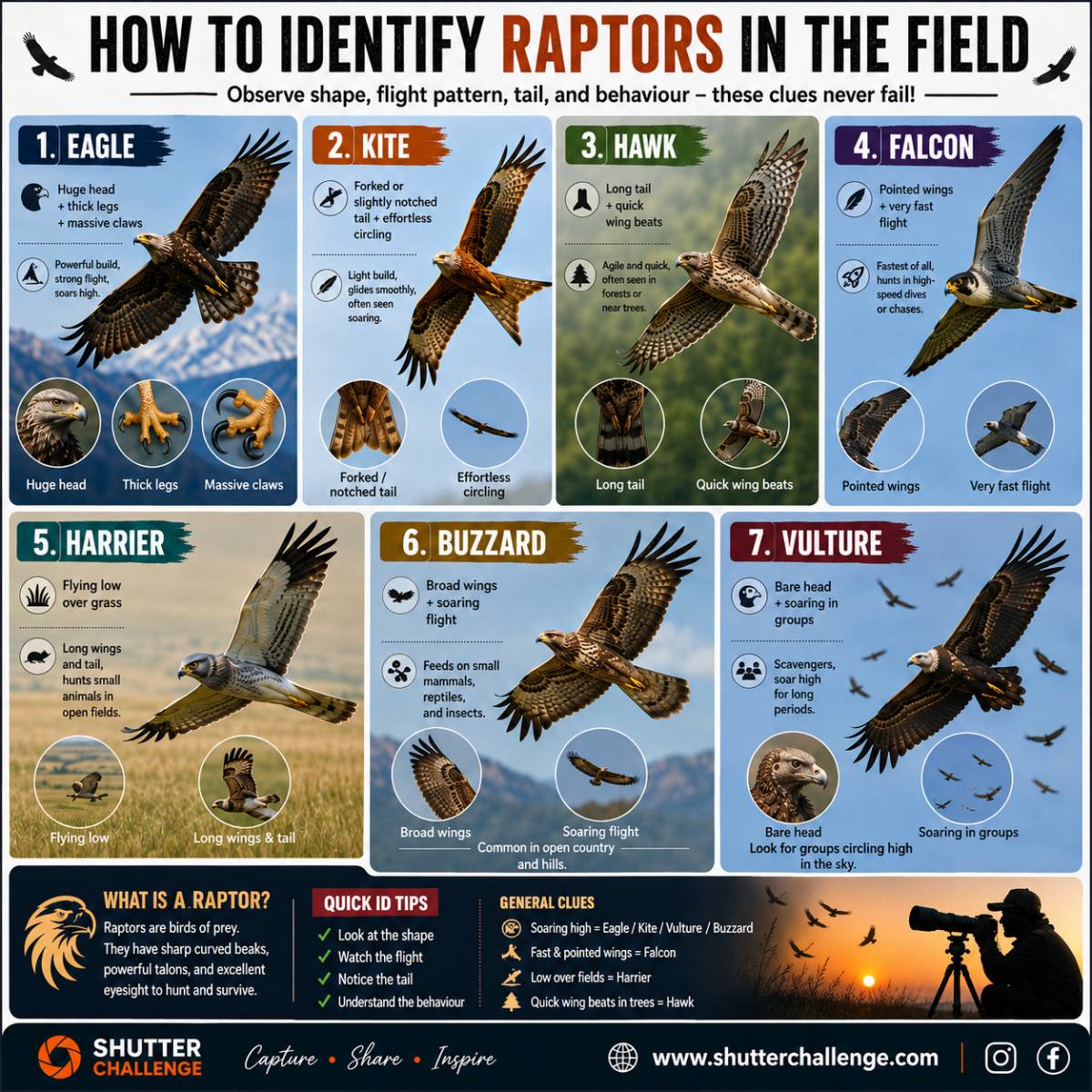
Eagle vs Kite vs Hawk
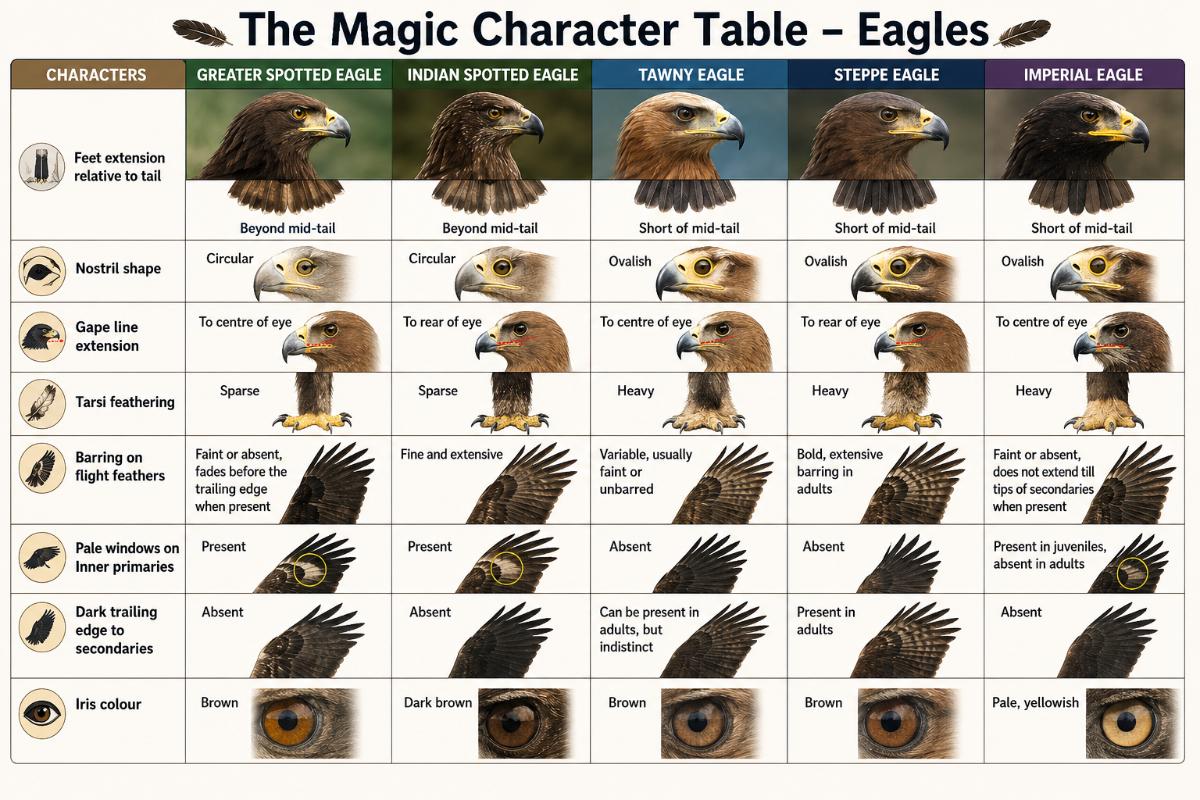
Eagles are the giants of the raptor world. They have massive heads, thick legs, and incredibly powerful talons, allowing them to hunt mammals, reptiles, and birds.
Kites are graceful soarers. They have long wings, slightly forked or notched tails, and spend much of their time gliding effortlessly on warm air currents. Many species also scavenge for food.
Hawks are agile hunters built for speed and maneuverability. Their long tails and rapid wing beats help them weave through forests while chasing smaller birds and mammals.
Falcon, Buzzard & Harrier
Falcons are the speed champions of the bird world. With long, pointed wings, they perform breathtaking dives and aerial chases to catch prey.
Buzzards are broad-winged raptors that soar for long periods, scanning open landscapes for rodents, reptiles, and insects. They are often mistaken for eagles because of their similar silhouette.
Harriers are easy to recognize by their unique hunting style. They fly low over grasslands with their wings held in a shallow "V," searching for rodents, frogs, and small birds.
Don't Forget the Vultures
Vultures are also raptors, although they rarely hunt live prey. Instead, they play a vital ecological role by cleaning up carcasses. Their bald heads and habit of soaring in groups make them easy to recognize.
The next time you're photographing wildlife, focus on head size, wing shape, tail shape, flight pattern, and behaviour instead of relying only on color. These features remain visible even from a distance and are often the quickest way to identify a raptor in the field.
Happy birding, and don't forget to share your best raptor photographs with the ShutterChallenge community at www.shutterchallenge.com!

💬 Comments (0)
Sign in to leave a comment
No comments yet. Be the first to share your thoughts!