
Every nature photography challenge gets the same flood of technically perfect, forgettable entries — sharp focus, correct exposure, and absolutely nothing that makes a voter pause. The photos that actually win a wildlife challenge tend to break one or two rules of "correct" photography on purpose, in service of a moment or a mood. Here are five things that consistently separate a winning entry from a merely competent one. Whether you think of it as a nature photo challenge, a wildlife photo competition, or a wildlife photography challenge, the same ideas apply.
1. Chase behavior, not just presence
A sharp photo of a bird sitting on a branch is a record shot. A photo of that same bird mid-strike, feeding a chick, or locked in a territorial dispute with another bird is a story. Judges and voters in any wildlife photography challenge respond to a decisive moment — action, interaction, or a genuine sliver of animal behavior — far more than they respond to a static, well-lit portrait. If you have time to wait, wait for the moment to happen rather than photographing the pause before it.
2. Get low, get close (without getting closer than you should)
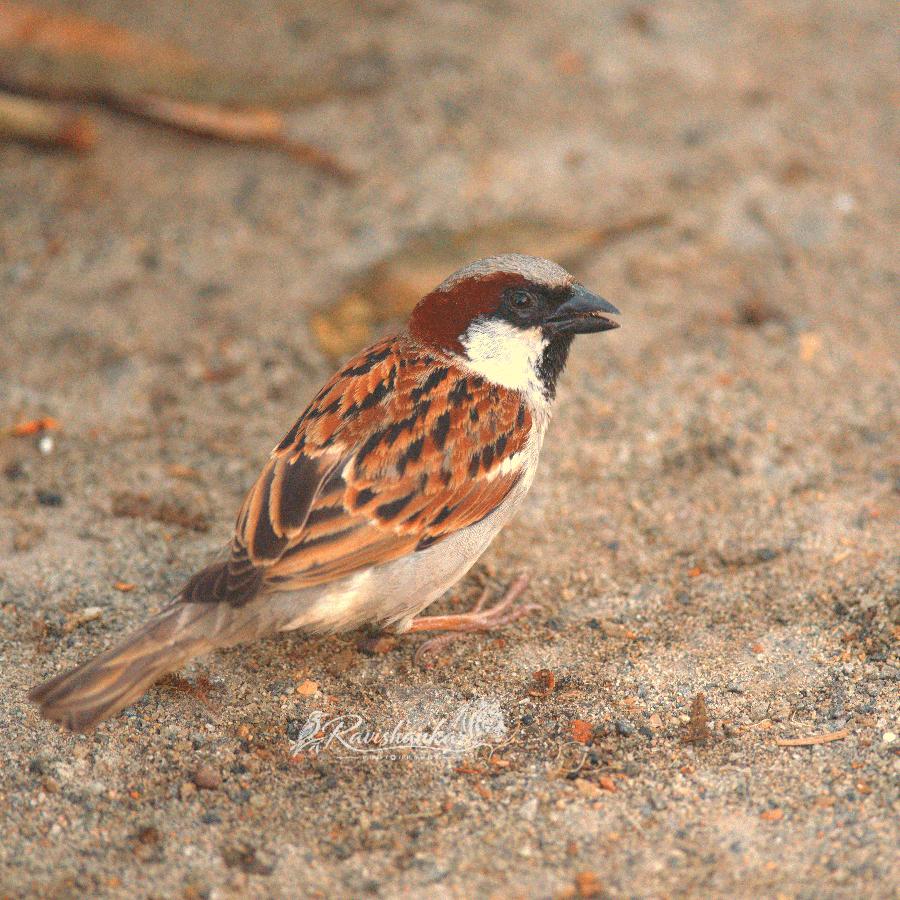
Shooting down at a subject from standing height is the single most common thing separating snapshots from genuinely striking wildlife images. Getting to eye level with a reptile, an insect, or a ground-feeding bird changes a photo from "I saw this" to "you are here." That said — getting low doesn't mean getting closer than the animal is comfortable with. If your presence changes its behavior, you're already too close. The best nature photography treats distance as a technical constraint to work around with lenses, not an obstacle to walk through.
3. Let the background do less
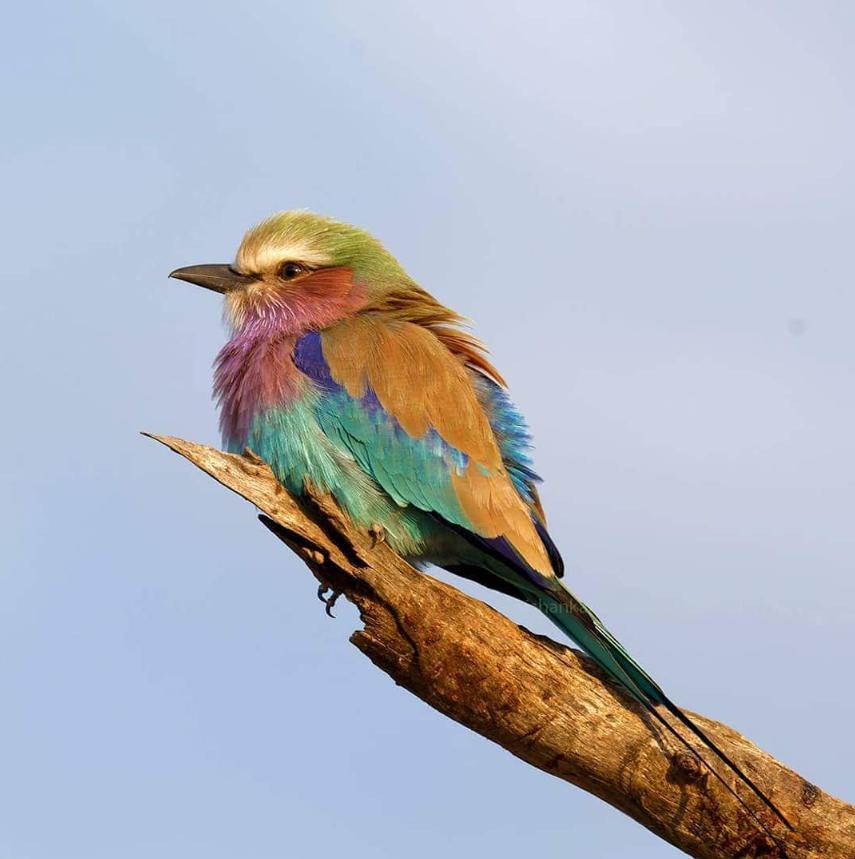
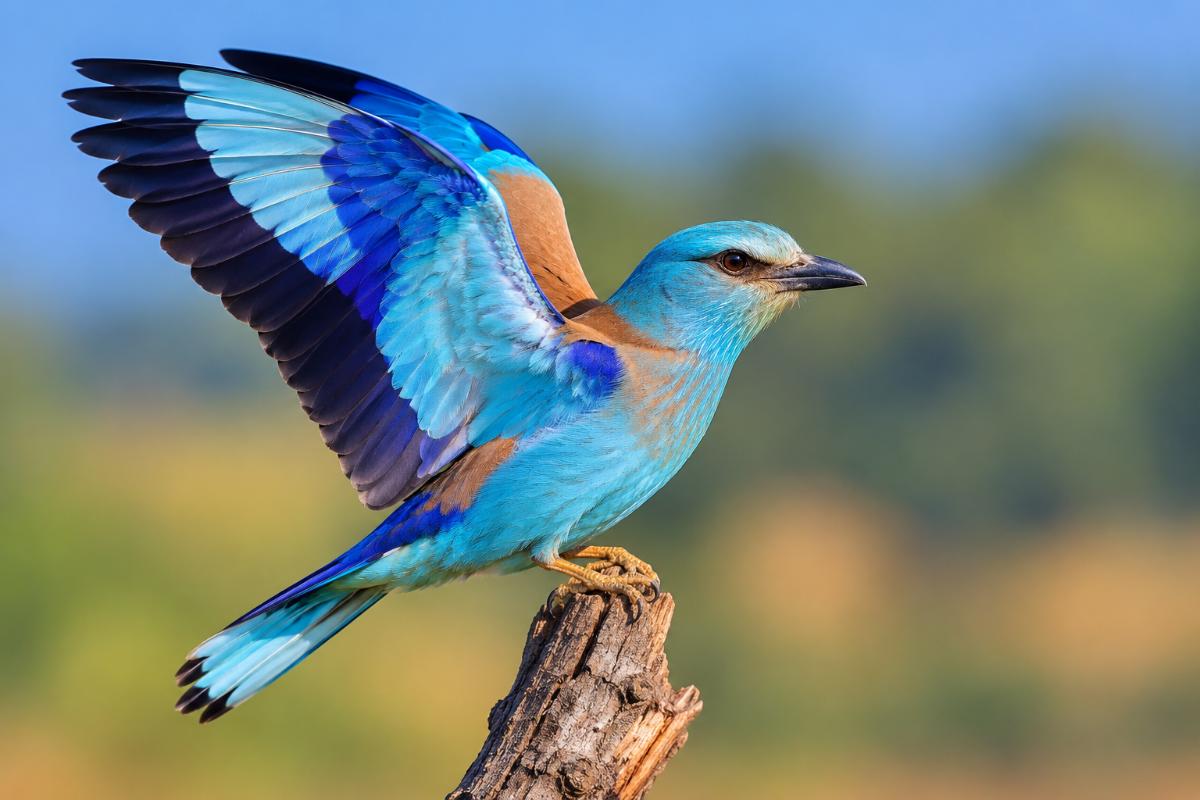
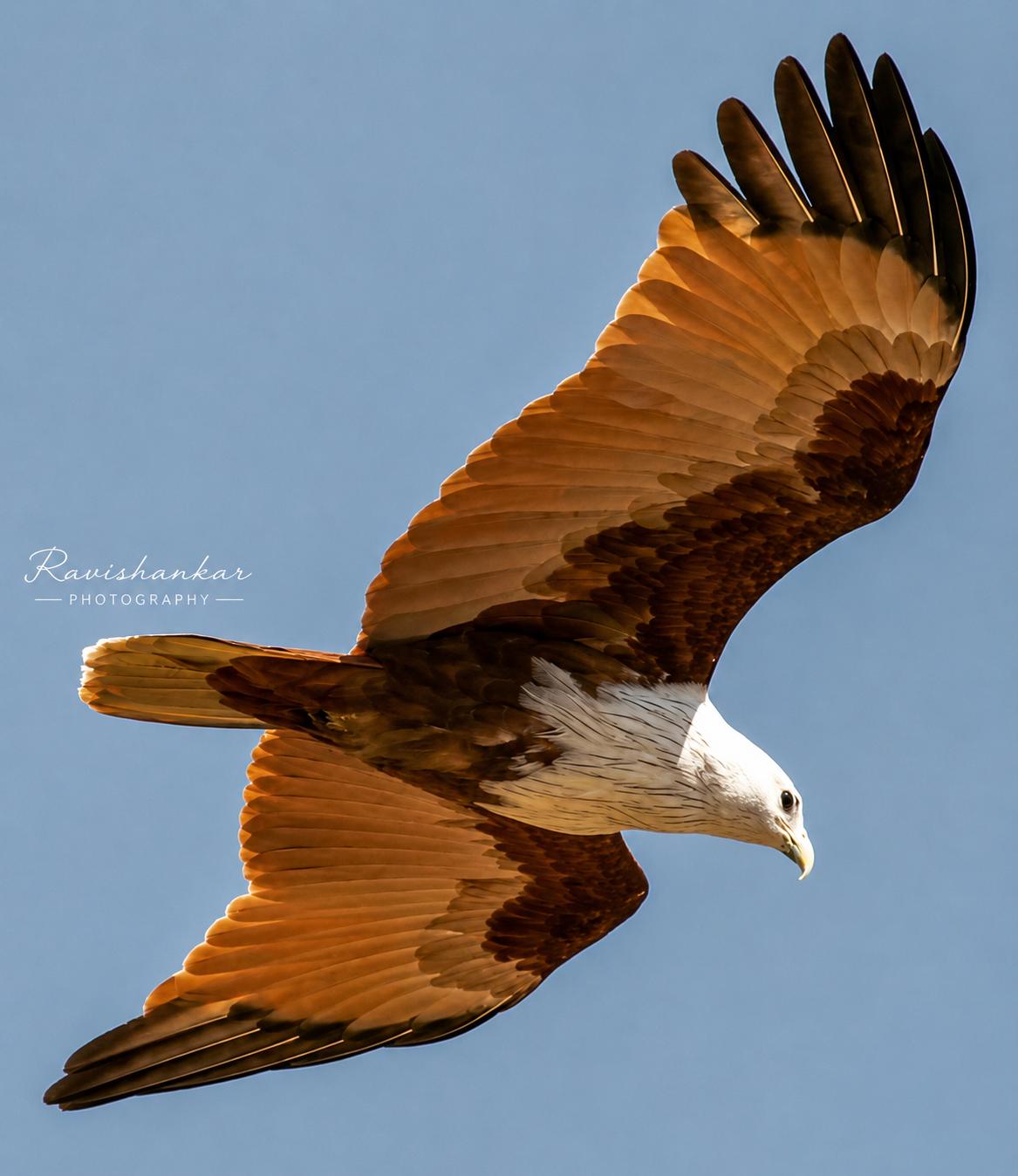
Busy backgrounds are the most common reason a technically sharp photo still doesn't read well at a glance. A wide aperture, a longer focal length, or simply repositioning a few feet to put clean foliage or open sky behind your subject will do more for a photo's impact than almost any editing choice afterward. In a gallery of thumbnails — which is exactly how most people browse a wildlife challenge — the entries with clean, uncluttered backgrounds are the ones that actually stop the scroll.
4. Light comes first, gear comes second
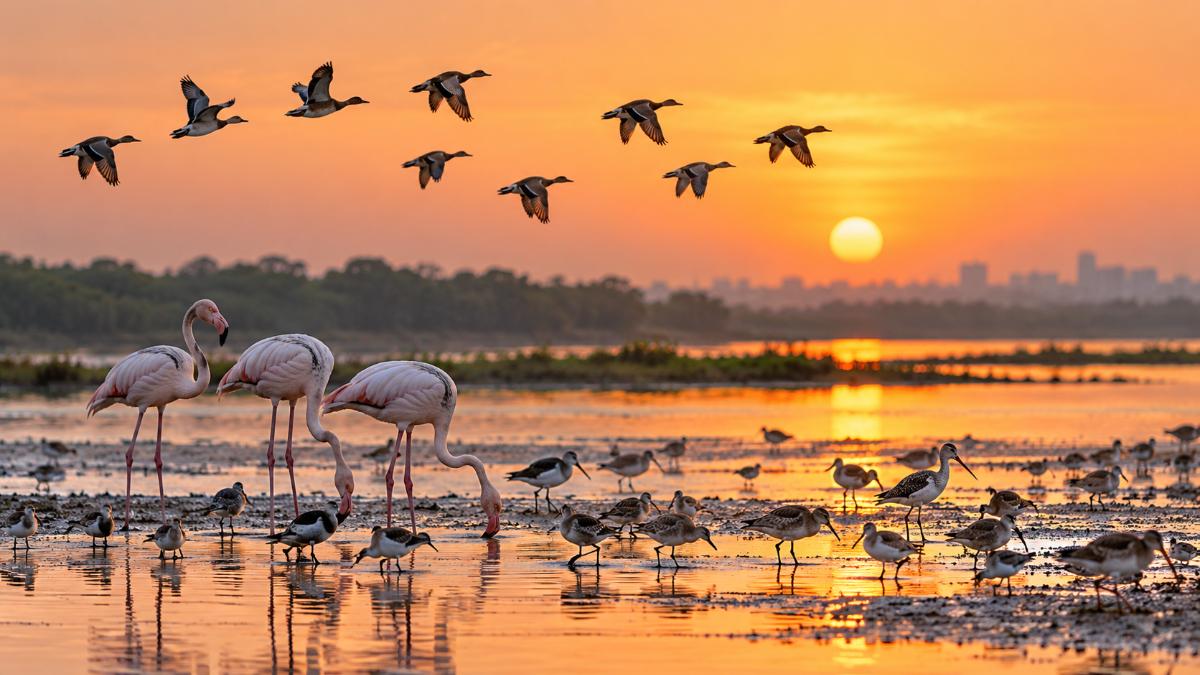
The golden hours around sunrise and sunset give wildlife photography a warmth and directional quality that no amount of editing fully replicates. Overcast midday light, by contrast, is flat but forgiving — genuinely useful for macro and insect photography where harsh shadows are the enemy. Before worrying about which lens or camera body to use, worry about what time of day and what kind of light you're shooting in. A modest camera in great light consistently beats a great camera in bad light.
5. Write a caption that adds information, not decoration
"Beautiful shot!" tells a voter nothing. A caption that names the species, the location type, and what was actually happening in the frame gives your entry context that a bare image can't. In any nature photography challenge, entries with real captions get more engagement — not because voters are shallow, but because context genuinely changes how a photo reads. You don't need poetry, just information: what it is, and what it was doing.
Put it into practice
None of this requires new gear. It requires patience, positioning, and paying attention to light before you press the shutter. ShutterChallenge's monthly wildlife photography challenge is open to birds, mammals, reptiles, insects, marine life, plants, and landscapes — pick your strongest recent shot, apply whichever of these five ideas fits it best, and see how it does.
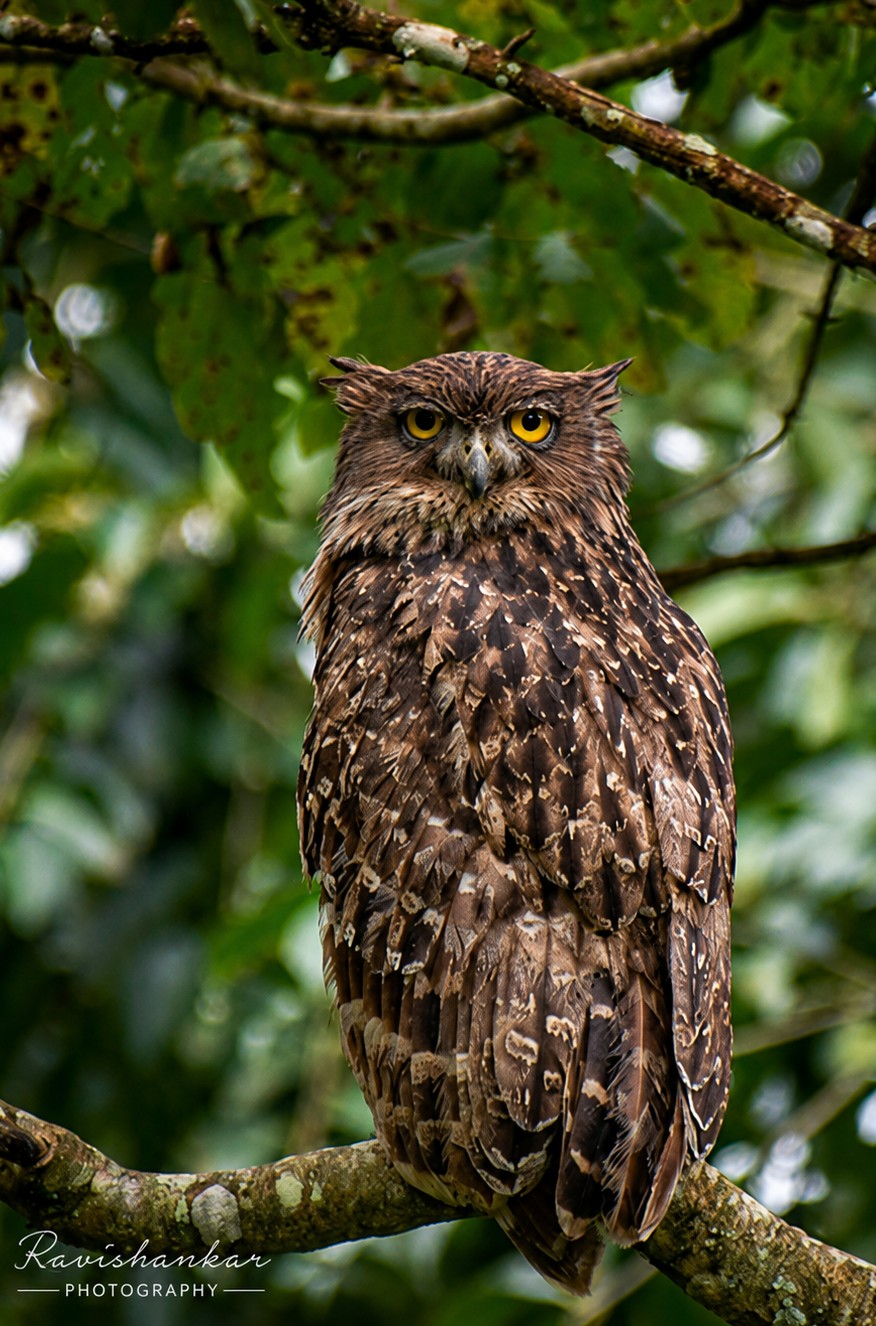
Cover photo: "180° head turn, Brown Fish Owl" by Ravishankar Paranthaman, from the ShutterChallenge community gallery.

💬 Comments (0)
Sign in to leave a comment
No comments yet. Be the first to share your thoughts!